01
Safe drinking water
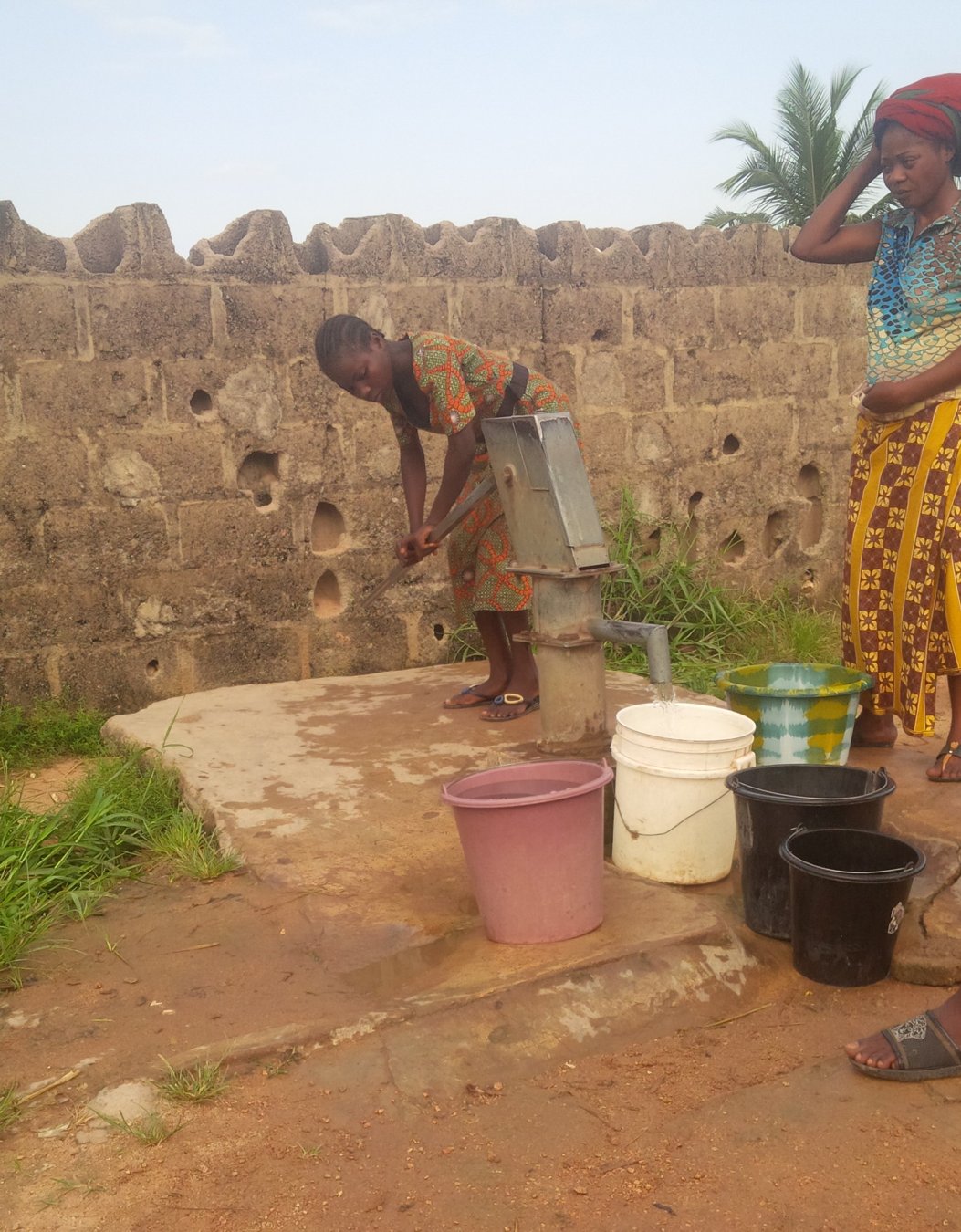
Build and rehabilitate water points, and support treatment and filtration where appropriate.
Explore this work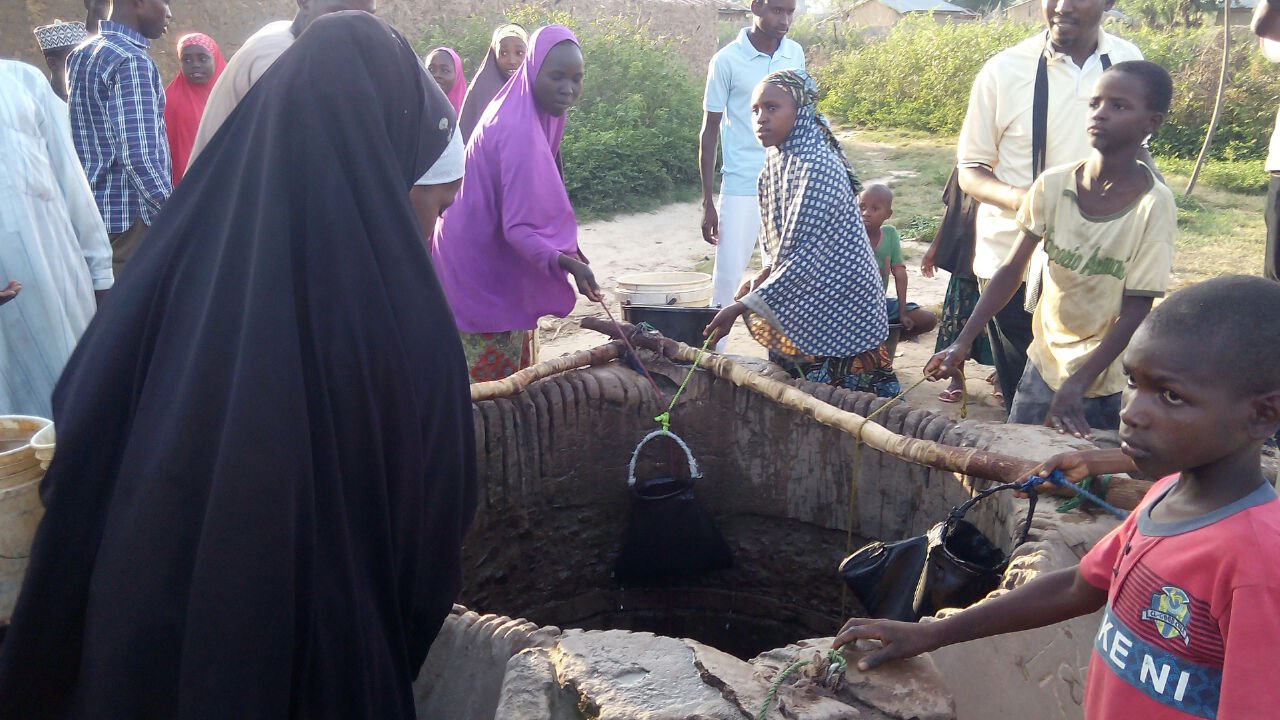
NIGERIA IN NUMBERSWASHNORM 2021
At least basic drinking water
Safely managed drinking water
Access to basic hygiene
WHAT WE DO
Safe water depends on more than infrastructure. Our four work areas connect water access, household health and the protection of water sources.
Build and rehabilitate water points, and support treatment and filtration where appropriate.
Explore this workHelp families access, store and treat water safely and reliably at home.
Explore this workSupport toilets, handwashing facilities and practical hygiene education.
Explore this workProtect groundwater, prevent pollution and encourage water conservation.
Explore this workTHE WATER GAP
Water access differs sharply across the country. Switch indicators and select a zone or a state on the map to see the zone’s survey results.
NATIONAL ESTIMATE
67%
At least basic drinking water
People using an improved source within a 30-minute round trip, including queueing.
National estimate: 67%
Source: WASHNORM 2021 (published 2022). Values are historical survey estimates. Selecting a state shows its zone’s result; the map does not imply state-level measurements or CWANI project locations. Boundaries: GRID3 via geoBoundaries (CC BY 4.0; simplified and projected).
| Geography | At least basic drinking water | Safely managed drinking water | At least basic sanitation | Basic hygiene |
|---|---|---|---|---|
| Nigeria | 67% | 13% | 46% | 17% |
| North West | 56% | 4% | 42% | 22% |
| North East | 66% | 2% | 51% | 12% |
| North Central | 58% | 6% | 38% | 11% |
| South West | 85% | 29% | 47% | 18% |
| South East | 73% | 17% | 57% | 13% |
| South South | 65% | 20% | 46% | 24% |
The gap is calculated as 100 minus the displayed coverage estimate. It is the share below the selected threshold; it does not necessarily mean having no service. National values are published estimates, not averages of the six zones.
See WASHNORM 2021 executive summary p. 34 (basic water) and Figures 10, 23 and 28 (safely managed water, sanitation and hygiene). “At least basic” includes people who meet the higher safely managed threshold.
OUR APPROACH
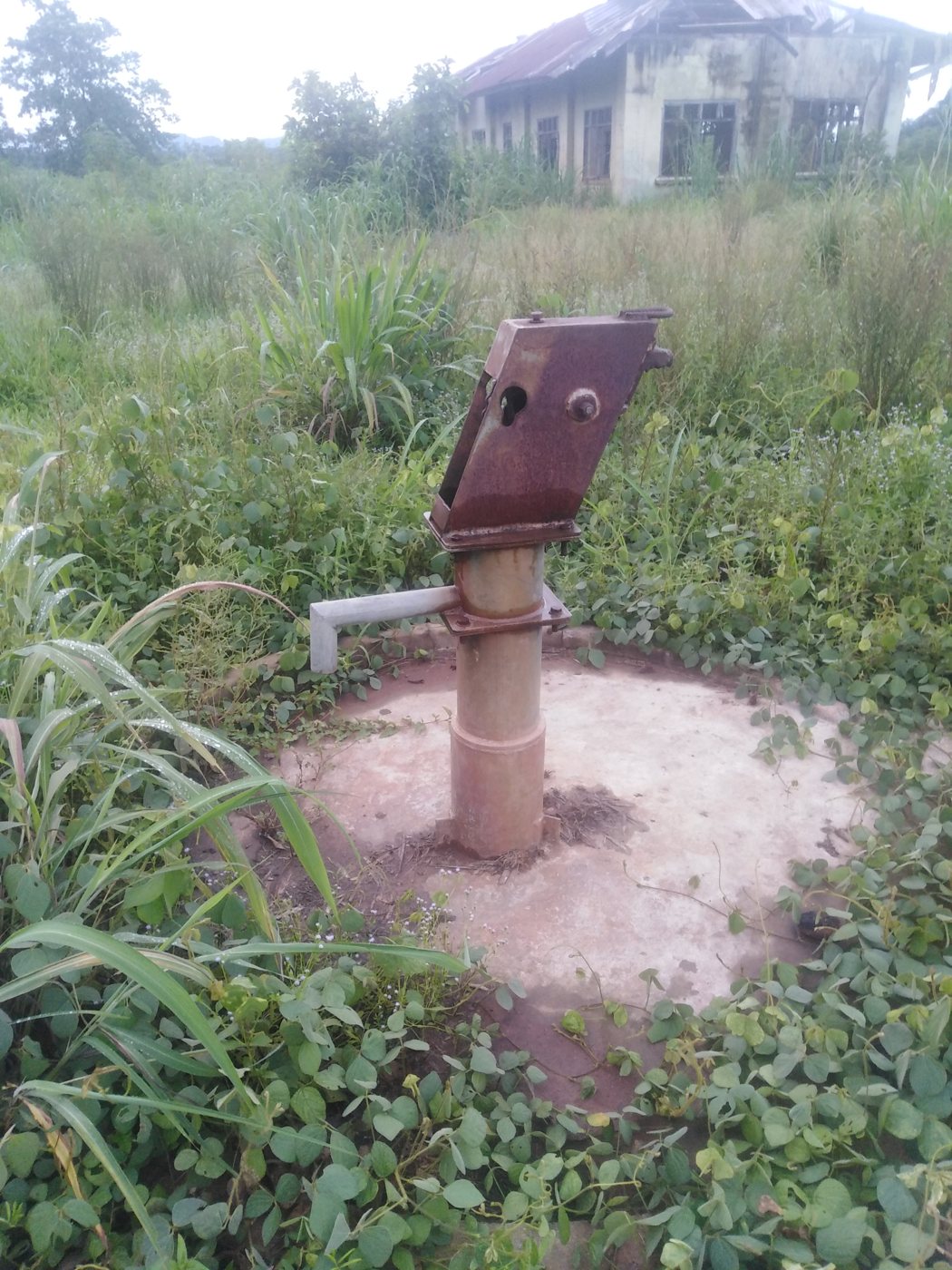
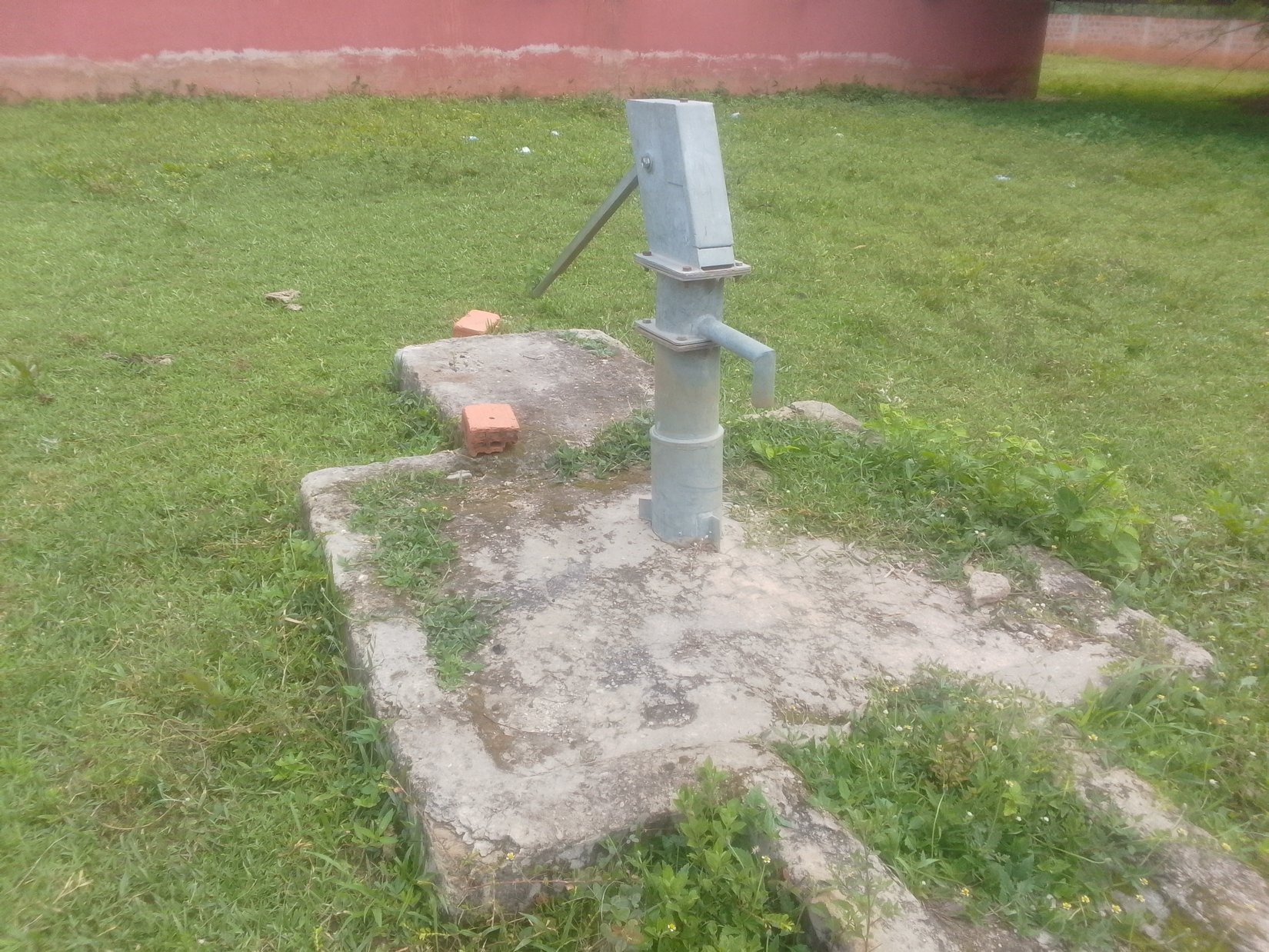
A water point can change the rhythm of a day. But a working pump alone is not enough: the water has to be safe, the service dependable and the community able to keep it running. Our approach connects infrastructure with household practice and long-term stewardship.
Get to know CWANI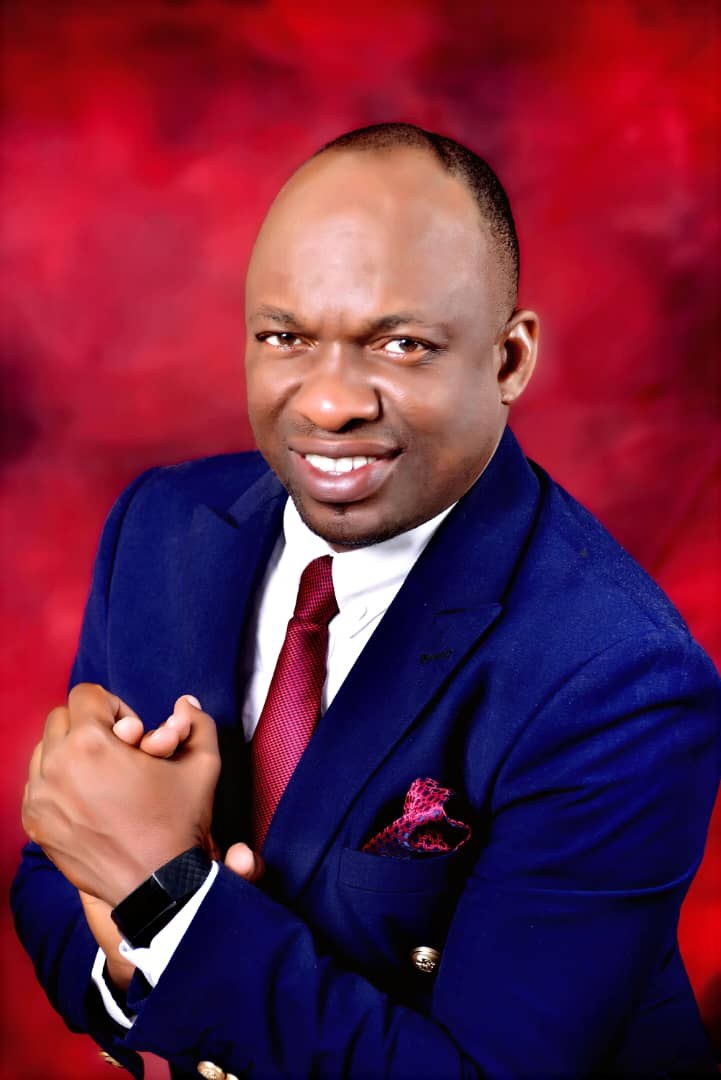
FROM THE FOUNDER
No family should have to choose between a long walk for water and a nearby source they cannot trust. That belief is why I founded Clean Water For All Nigeria Initiative.
We work with underserved communities to improve access to safe water, help families store and treat it safely, improve sanitation and hygiene, and protect water sources. We start by listening, because a water point only serves its purpose if people can depend on it long after it opens.
If your community has a water need, or you can offer time, expertise or resources, I invite you to work with us.
Enger. Patrick Obanor (COREN) Founder, Clean Water For All Nigeria Initiative
Engr. Patrick Obanor
Founder, CWANI
INSIGHTS
Clear explanations of the data and the practical decisions behind sustainable water services.
FIELD NOTES
A nearby source is a start. Reliability, location and water quality all matter.
Read insightFIELD NOTES
A new borehole is only as useful as the plan to keep it working.
Read insightFIELD NOTES
Water, toilets and handwashing each address a different part of the same public-health challenge.
Read insightTAKE THE NEXT STEP
Share a community need, propose a partnership or ask how you can help.